
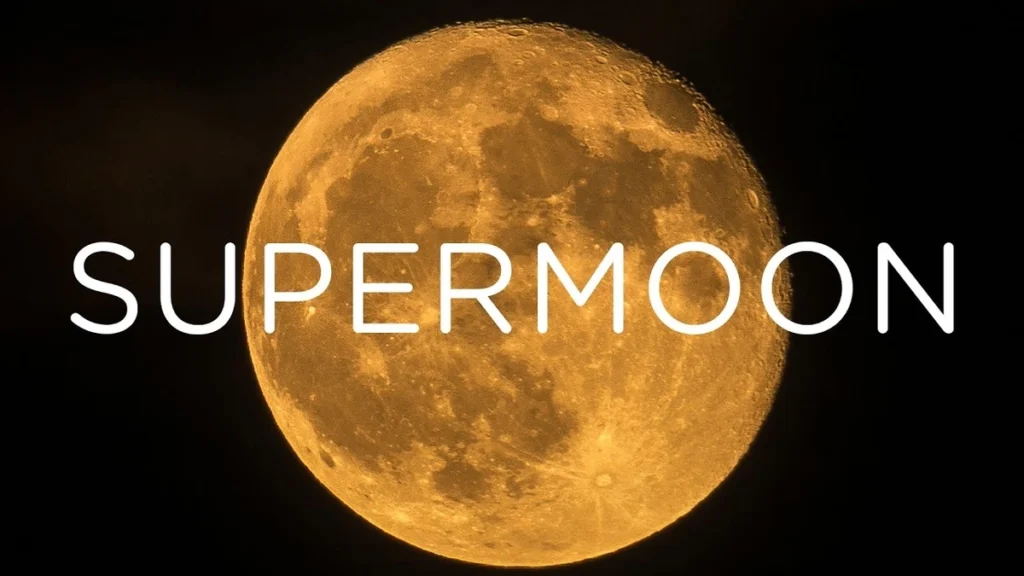
Okay, let’s be honest – when you hear the word supermoon, you probably think of stunning photos lighting up your social media feed. But here’s the thing: there’s so much more to it than just a pretty picture. It’s not just about the visuals (though those are spectacular, no argument there!), but about understanding the celestial dance happening above us. This isn’t some random occurrence; it’s the result of precise orbital mechanics, and that’s what makes it fascinating.
Why Should We Care About a Supermoon?
You might be thinking, “Okay, it’s a bigger moon. So what?” And that’s a fair question! But consider this: the supermoon’s increased gravitational pull affects our tides. That’s right, our very own planet feels the difference! This might not mean massive tidal waves crashing onto the shore (Hollywood exaggerations aside), but it does lead to slightly higher high tides and lower low tides, known as spring tides. What fascinates me is the interconnectedness of it all – how a celestial event millions of miles away can have a tangible impact here on Earth.
And there’s another layer to this. The supermoon often coincides with heightened interest in astronomy and space exploration. It’s a gateway event, sparking curiosity about the universe in people who might not normally look up. Think of it as a celestial invitation to explore the cosmos! It encourages us to learn about lunar cycles, orbital mechanics, and our place in the grand scheme of things. So, it is more than just a visual spectacle; it is an opportunity to learn.
How to Spot and Photograph a Stunning Supermoon
Alright, let’s get practical. You want to see this thing, right? And maybe even capture a photo that will make your friends jealous? The key is timing and location. The best time to view a supermoon is when it’s closest to the horizon – that’s when the “moon illusion” kicks in, making it appear even larger than it actually is. Find a location with an unobstructed view to the east (where the moon rises) and get there early. The golden hour right after sunset can provide the perfect lighting.
As for photography, you don’t need fancy equipment to get a decent shot. Even a smartphone can capture the lunar perigee beauty. The one thing you absolutely must double-check is your focus. Tap on the moon on your phone’s screen to ensure it’s sharp and clear. If you have a DSLR or mirrorless camera, use a telephoto lens and experiment with different settings. What I see people make is failing to plan. Check the weather forecast ahead of time! A cloudy night will ruin your chances.
The Science Behind the Celestial Event
Now, let’s dive into the science. What exactly is a supermoon? It occurs when the moon is both full and at its closest point to Earth in its orbit (perigee). The moon’s orbit isn’t perfectly circular; it’s elliptical. That means there’s a point where it’s closer to us (perigee) and a point where it’s farther away (apogee). According to NASA, a supermoon can appear up to 14% larger and 30% brighter than a moon at apogee. So, while it might not seem like a huge difference, it’s definitely noticeable, especially if you’re a keen observer.
Supermoon Myths and Misconceptions
With any celestial event, there are always myths and misconceptions swirling around. One common belief is that supermoons cause natural disasters. While the increased gravitational pull does affect tides, there’s no scientific evidence to suggest a direct link between supermoons and earthquakes or volcanic eruptions. Correlation doesn’t equal causation, as they say. These events are complex and influenced by a multitude of factors. Don’t believe everything you read on the internet! I initially thought this was straightforward, but then I realized the number of unverified reports online can be dangerous.
Looking Ahead: Future Supermoon Dates
Want to mark your calendar for future supermoons? You can find accurate dates and times on websites dedicated to astronomy and space events. A quick search for ” lunar events 2024 india ” will give you a list of upcoming full moons and their proximity to Earth. The Farmers’ Almanac is also a great resource for this kind of information. Here is an internal link to explore other lunar events too. Remember, planning ahead is key to getting the best viewing experience!
FAQ About Supermoons
What’s the best time to view a supermoon?
The best time is usually right after moonrise or just before moonset, when the moon is near the horizon. The “moon illusion” makes it appear larger.
How much bigger does a supermoon appear?
A supermoon can appear up to 14% larger and 30% brighter than a moon at its farthest point from Earth.
Do supermoons cause natural disasters?
There’s no scientific evidence to support the claim that supermoons cause earthquakes or volcanic eruptions.
Can I see a supermoon with the naked eye?
Yes! You don’t need any special equipment to see a supermoon. Just find a location with a clear view of the horizon.
Where can I find future supermoon dates?
Check websites dedicated to astronomy and space events, such as NASA’s website or the Farmers’ Almanac.
So, the next time you hear about a supermoon, remember that it’s more than just a pretty picture. It’s a reminder of the dynamic forces at play in our solar system and an invitation to explore the wonders of the universe. Grab your camera, find a good spot, and enjoy the show!

I’m Vishal Ojha, a passionate blogger, content writer, and web designer with over four years of experience. I have a deep love for sports, especially cricket, and enjoy sharing the latest updates, insights, and analyses from the world of athletics. Every article I publish is carefully researched and fact-checked, ensuring readers get accurate and engaging sports content they can trust.

