
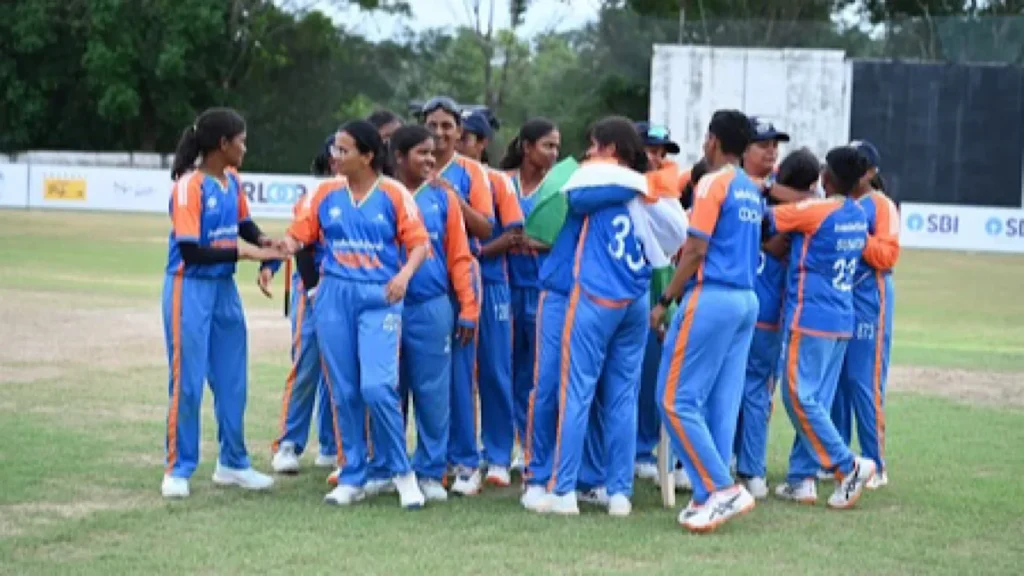
We Indians, right? Cricket is practically in our blood. We celebrate every boundary, every wicket, every victory like it’s our own personal achievement. But here’s the thing… What happens when the champions we should be lauding are struggling to make ends meet, earning a pittance despite bringing glory to the nation? I’m talking about the heroes of the Blind World Cup .
It’s easy to get caught up in the glitz and glamour of mainstream cricket. The IPL, the endorsements, the celebrity status. But behind the scenes, for many athletes – especially those with disabilities – the reality is starkly different. The story of our Blind World Cup champions, earning as little as Rs 3,000 a month, is a jarring reminder of this disparity.
Let’s dive deeper. What fascinates me is not just the fact that this is happening, but why is it happening? What systemic issues are at play? And more importantly, what can we do about it?
The Harsh Reality of Earning Disparities
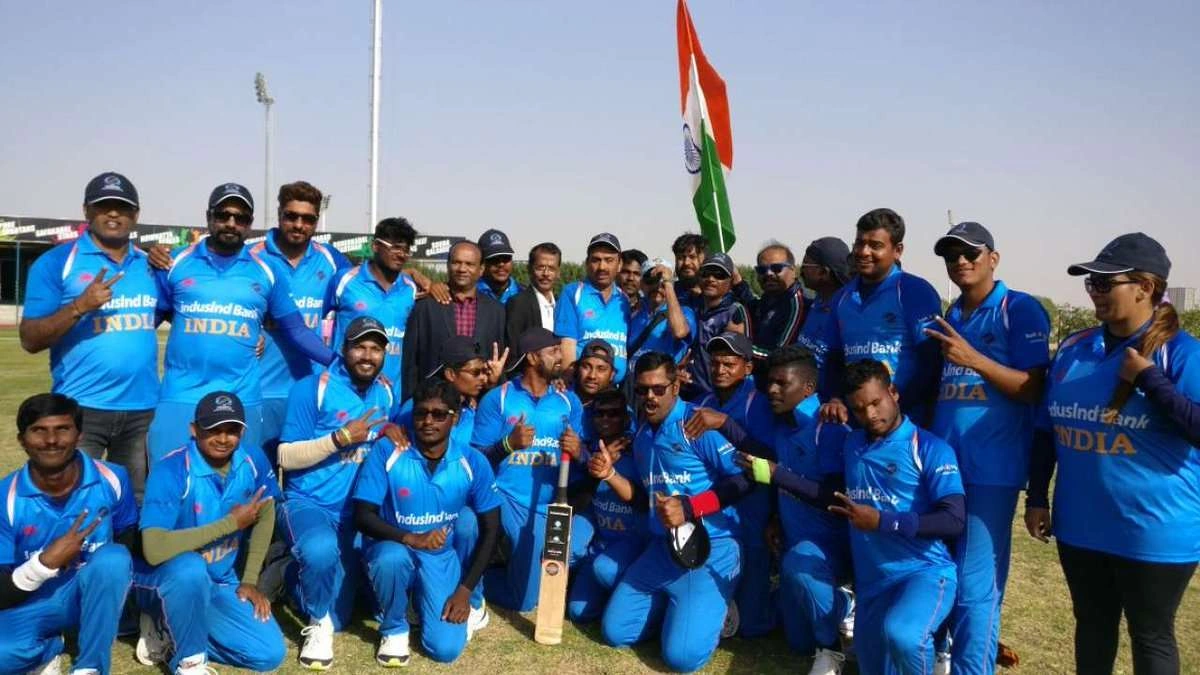
It’s a hard pill to swallow, isn’t it? To think that individuals who have overcome immense challenges to represent India on a global stage are facing financial hardship. The disparity between the earnings of mainstream cricketers and cricketers with disabilities is not just a gap – it’s a chasm. While Virat Kohli might be raking in crores, these champions are struggling to afford basic necessities.
But why? A lack of sponsorship, limited media coverage, and societal biases all contribute to this situation. Unlike their counterparts in the sighted world, blind cricketers often find themselves fighting for recognition and resources. Many are forced to rely on meager government assistance or private donations to survive. What makes this even more painful is that these athletes pour their heart and soul into the game. Their passion is unyielding. Their dedication is unwavering. This isn’t just a hobby for them; it’s their life.
And it’s not like they’re not skilled. They are masters of their craft, displaying incredible auditory and spatial awareness on the field. The Blind Cricket World Cup showcased their abilities to the world. I initially thought this was just a funding problem, but then I realized that it’s more complicated than that.
The Systemic Issues at Play
So, what are the underlying reasons for this shocking state of affairs? Well, a big part of it boils down to systemic issues within the sports administration and societal attitudes towards disability. First, there’s the lack of adequate funding and infrastructure for para-sports in India. While efforts are being made to promote inclusivity, the resources allocated to para-sports are still a fraction of what’s available for mainstream sports. This affects everything from training facilities to equipment to coaching staff.
Second, there’s the issue of media coverage. Let’s be honest, how often do you see blind cricket matches being broadcast on national television? Or even featured prominently in sports news? Limited media exposure translates to limited public awareness, which in turn affects sponsorship opportunities. Companies are less likely to invest in sports that don’t get the eyeballs.
Third, and perhaps most importantly, there’s the societal bias. Despite progress in recent years, there’s still a pervasive perception that people with disabilities are somehow less capable or less deserving. This mindset manifests itself in various ways, from employment discrimination to lack of accessibility in public spaces. It also affects how athletes with disabilities are perceived and valued. We need to change this mindset. We need to recognize that disability is not a limitation but a different way of experiencing the world.
The Role of Cricket Associations and Government
Okay, so who’s responsible for fixing this mess? What fascinates me is the intricate web of responsibility. Cricket associations like the Cricket Association for the Blind in India (CABI) and the Board of Control for Cricket in India (BCCI) play a crucial role in promoting and supporting blind cricket. However, their efforts need to be scaled up significantly. CABI, for instance, operates with limited resources and relies heavily on volunteers and donations. While their dedication is commendable, they can’t do it alone. As per the guidelines for sports associations, transparency in funding and resource allocation is very important to inspire confidence among players.
The BCCI, being the wealthiest cricket board in the world, has a moral obligation to support blind cricket. While they do provide some financial assistance, it’s nowhere near enough. They need to invest in grassroots development, provide better training facilities, and ensure that blind cricketers receive adequate compensation. And what about the government? Well, the government also has a vital role to play. They need to increase funding for para-sports, implement policies that promote inclusivity, and raise awareness about the achievements of athletes with disabilities. What’s preventing these changes from happening? Well, there is bureaucratic red tape.
According to Ministry of Youth Affairs and Sports , the government is committed to promoting sports at all levels. But these commitments must translate into concrete action. The government could launch campaigns highlighting the achievements of blind cricketers, provide them with scholarships and employment opportunities, and ensure that they receive the same recognition and rewards as their sighted counterparts. It’s time for a level playing field , not just on the cricket pitch but in all aspects of life.
What Can We Do?
So, what can we, the ordinary cricket-loving public, do to make a difference? Quite a lot, actually! First, let’s start by raising awareness. Share the stories of these unsung heroes on social media. Talk about their achievements with your friends and family. Write to your local newspapers and TV channels. Let’s make sure that their voices are heard.
Second, let’s support organizations that are working to promote blind cricket. Donate to CABI or other charities that are dedicated to helping athletes with disabilities. Attend blind cricket matches and cheer on the players. Show them that you care.
Third, let’s hold our elected officials accountable. Demand that they increase funding for para-sports and implement policies that promote inclusivity. Write letters to your MPs and MLAs. Attend town hall meetings and raise your concerns. Let them know that you expect them to take action.
And finally, let’s change our own attitudes and perceptions. Let’s challenge our own biases and prejudices. Let’s see people with disabilities not as objects of pity but as individuals with talent, potential, and the right to live fulfilling lives. The latest news and analysis points towards the increase in donations for blind cricketers, but we still need to see a long-term growth.
A Call to Action
The story of India’s Blind World Cup champions is not just a sports story – it’s a human story. It’s a story about resilience, determination, and the power of the human spirit. But it’s also a story about inequality, injustice, and the need for change. Let’s be honest, the current situation is unacceptable. We cannot continue to celebrate cricket while ignoring the plight of these incredible athletes.
It’s time for us to step up and do our part. Let’s create a world where blind cricketers receive the same recognition, respect, and rewards as their sighted counterparts. Let’s build a truly inclusive society where everyone has the opportunity to reach their full potential. Supporting blind cricket in India is not just a matter of charity – it’s a matter of justice. It’s a matter of fairness. It’s a matter of humanity. If you are looking for Blind Cricket World Cup highlights , there are many clips available on the internet.
The time to act is now. Let’s make a difference. Let’s show the world that India truly loves cricket – all cricket. And that we value all our champions – especially the ones who have overcome the greatest challenges to bring glory to our nation.
FAQ
Why is there such a disparity in earnings between blind cricketers and mainstream cricketers?
The disparity stems from a combination of factors, including limited sponsorship, less media coverage, systemic issues within sports administration, and societal biases towards disability.
What is the Cricket Association for the Blind in India (CABI)’s role?
CABI is responsible for promoting and supporting blind cricket in India, but operates with limited resources and relies heavily on volunteers and donations.
What can the BCCI do to support blind cricket?
The BCCI can invest in grassroots development, provide better training facilities, ensure adequate compensation for blind cricketers, and increase funding for the sport.
How can I, as an individual, help?
You can raise awareness, support organizations promoting blind cricket, hold elected officials accountable for funding para-sports, and challenge your own biases about disability.
Where can I find more information about blind cricket in India?
You can visit the CABI website, follow blind cricket news on social media, and search for relevant articles and documentaries online.
What specific policies can the government implement to promote inclusivity in sports?
The government can increase funding for para-sports, provide scholarships and employment opportunities for athletes with disabilities, and ensure they receive the same recognition and rewards as their sighted counterparts.

I’m Vishal Ojha, a passionate blogger, content writer, and web designer with over four years of experience. I have a deep love for sports, especially cricket, and enjoy sharing the latest updates, insights, and analyses from the world of athletics. Every article I publish is carefully researched and fact-checked, ensuring readers get accurate and engaging sports content they can trust.

