
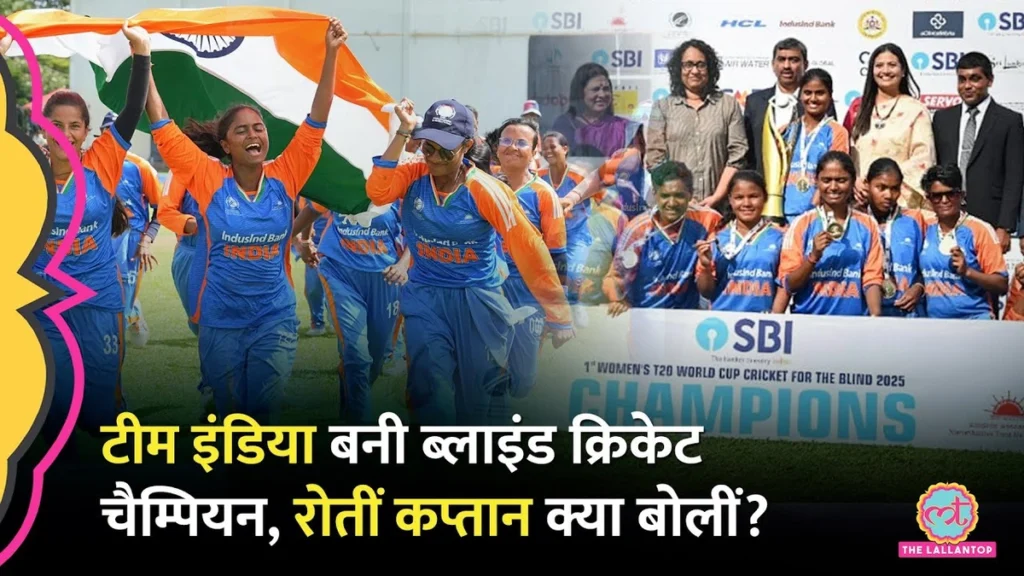
The roar of the crowd, the crack of the bat, the elation of victory – it’s a feeling every cricketer dreams of. But what if you couldn’t see the ball? What if your entire world was painted in shades of sound and touch? That’s the reality for the incredible women of the Indian Women’s Blind Cricket Team , who recently clinched the T20 World Cup, and the news has reached the highest office: PM Modi himself. But beyond the headlines, what really makes this win so special? Let’s dive in.
More Than Just a Game | The “Why” Behind the Win
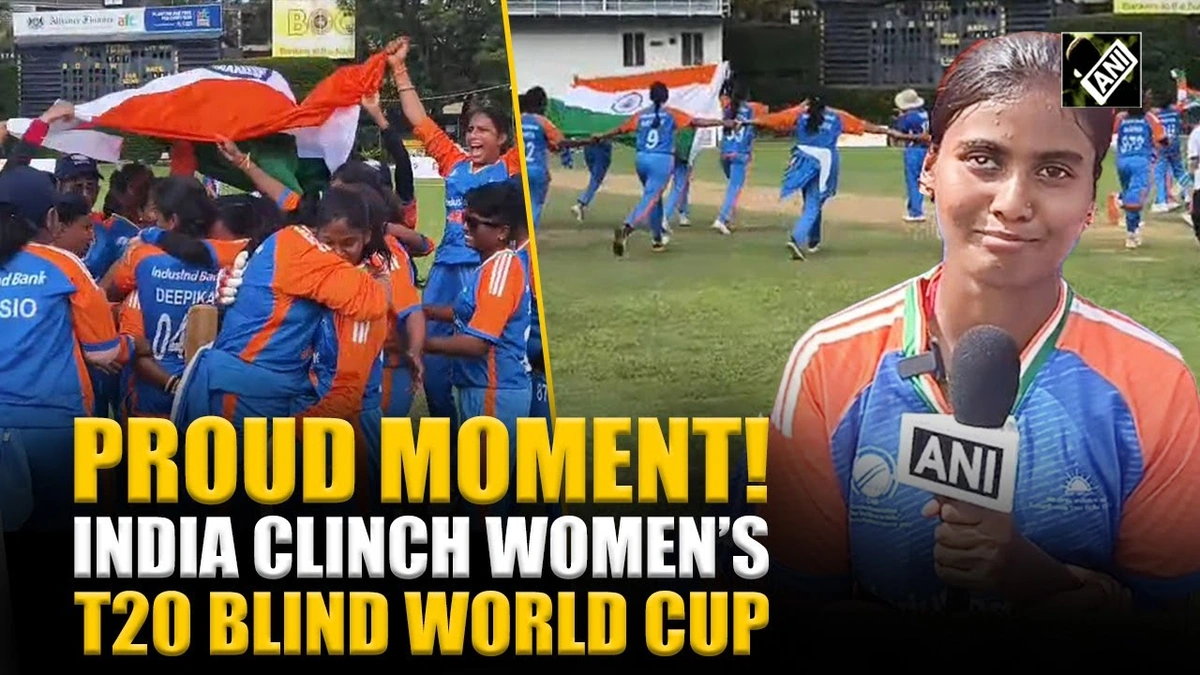
Here’s the thing: this victory isn’t just about cricket. It’s about smashing stereotypes, overcoming adversity, and showcasing the indomitable spirit of these athletes. It’s about showing the world that disability is not inability. Let’s be honest, sports in India is often synonymous with the men’s cricket team. This win shines a light on a different kind of heroism, one that deserves just as much, if not more, recognition.
The fact that PM Modi took the time to acknowledge and praise the team speaks volumes. It sends a powerful message about inclusivity and the importance of supporting athletes from all walks of life. It’s also a testament to the growing popularity of para-sports and the changing attitudes towards disability in India. This recognition can further enhance the opportunities of Blind Women’s T20 World Cup players.
But, I initially thought the attention would fade quickly, like many other news stories. But then I realized, this event has a deeper significance. It could potentially lead to more funding, better training facilities, and greater opportunities for visually impaired cricketers across the country. The impact is far-reaching, extending beyond the cricket field and into the lives of countless individuals.
A Guide to Understanding Blind Cricket
So, how does blind cricket actually work? It’s not just cricket played in the dark! There are specific rules and adaptations to ensure fair play. The ball, for instance, is filled with ball bearings so players can hear it. The players are classified into different categories based on their level of vision impairment – B1 (totally blind), B2 (very low vision), and B3 (low vision). The team composition must include a certain number of players from each category.
The game itself is adapted to rely heavily on auditory cues and communication. The bowler has to shout “Play!” as they release the ball. Fielders use verbal cues to guide each other. It’s a fascinating display of teamwork, trust, and incredible adaptability. What fascinates me is the level of coordination and precision they achieve, despite the obvious challenges.
The Emotional Rollercoaster | A Story of Grit and Determination
Imagine the emotional journey these women have undertaken. From overcoming personal challenges and societal biases to mastering the intricacies of blind cricket, their path to the T20 World Cup victory is nothing short of inspirational. Each player has a unique story of resilience, perseverance, and unwavering self-belief. You can draw inspiration from the women athletes like from Suryakumar Yadav’s mother , for their undying support to their kids.
They’ve faced prejudice, limited resources, and a lack of visibility. Yet, they never gave up on their dreams. Their victory is a testament to the power of human spirit and the ability to achieve greatness, regardless of the circumstances. And it’s a reminder to all of us that anything is possible with hard work, dedication, and a strong support system. The Indian Blind Cricket Team has shown us what is possible.
The Road Ahead | Challenges and Opportunities
While the World Cup win is a significant milestone, there’s still a long way to go. Para-sports, in general, need more support and recognition in India. This includes better infrastructure, funding, and training programs. There’s a need for greater awareness and understanding of the challenges faced by visually impaired athletes. A common mistake I see is people assuming that blind athletes are somehow less capable. This is simply not true.
Let me rephrase that for clarity: it is crucial to create a more inclusive environment where these athletes can thrive and reach their full potential. This involves changing attitudes, providing equal opportunities, and celebrating their achievements. Because, the T20 World Cup win should be a catalyst for positive change, inspiring a new generation of visually impaired cricketers and empowering them to chase their dreams.
The Role of Cricket Association for the Blind in India (CABI)
The Cricket Association for the Blind in India (CABI) plays a crucial role in promoting and developing blind cricket in the country. CABI has been instrumental in organizing tournaments, providing training, and advocating for the rights of visually impaired cricketers. According to the official CABI website, they are committed to creating a level playing field for all visually impaired cricketers in India. But, challenges remain.
One thing you absolutely must consider is the need for more funding and resources to support CABI’s efforts. This includes attracting sponsorships, securing government support, and raising awareness about the organization’s work. This can help it expand its reach, improve its programs, and empower more visually impaired cricketers across India. This association also selects players for Indian Blind Cricket Team .
The official website showcases initiatives to promote visually impaired cricket and how crucial it is to support organisations like these in order to spread awareness about para-cricket and provide opportunities to those talented players. The future of blind cricket in India looks promising, but it requires sustained effort and commitment from all stakeholders. With continued support and recognition, these athletes can continue to inspire and amaze us with their incredible skills and unwavering spirit.
Frequently Asked Questions
How can I support the Indian Women’s Blind Cricket Team?
You can support the team by donating to CABI, spreading awareness about blind cricket, and advocating for greater inclusion of para-sports in India.
Where can I find more information about blind cricket?
Visit the website of the Cricket Association for the Blind in India (CABI) for details about the sport and its development in India.
What are the different categories of players in blind cricket?
Players are classified into B1 (totally blind), B2 (very low vision), and B3 (low vision) categories.
What makes the blind cricket ball different?
The ball is filled with ball bearings so players can hear it.
Are there international tournaments for blind cricket?
Yes, there are several international tournaments, including the T20 World Cup, ODI World Cup, and others.
The PM’s praise isn’t just a pat on the back; it’s a spotlight illuminating a world of talent, resilience, and unwavering determination. It’s a reminder that true victory lies not just in winning the game, but in overcoming the obstacles along the way. India’s CWC optimism is also high.

I’m Vishal Ojha, a passionate blogger, content writer, and web designer with over four years of experience. I have a deep love for sports, especially cricket, and enjoy sharing the latest updates, insights, and analyses from the world of athletics. Every article I publish is carefully researched and fact-checked, ensuring readers get accurate and engaging sports content they can trust.

