

The smog hung thick in the air, a grey blanket suffocating the Delhi skyline. Not the usual Delhi winter haze, mind you, but something far more sinister. This wasn’t just about visibility; it was about health, about safety, and, as it turns out, about cricket. You see, Delhi was supposed to host the U-23 knockouts, a prestigious event showcasing the future stars of Indian cricket. But, air quality took a turn for the worse, forcing organizers to shift the matches elsewhere. Another instance of pollution disrupting sports? Absolutely. But the real question is, why does this keep happening, and what does it tell us about the bigger picture?
The Air We Breathe | A Public Health Emergency
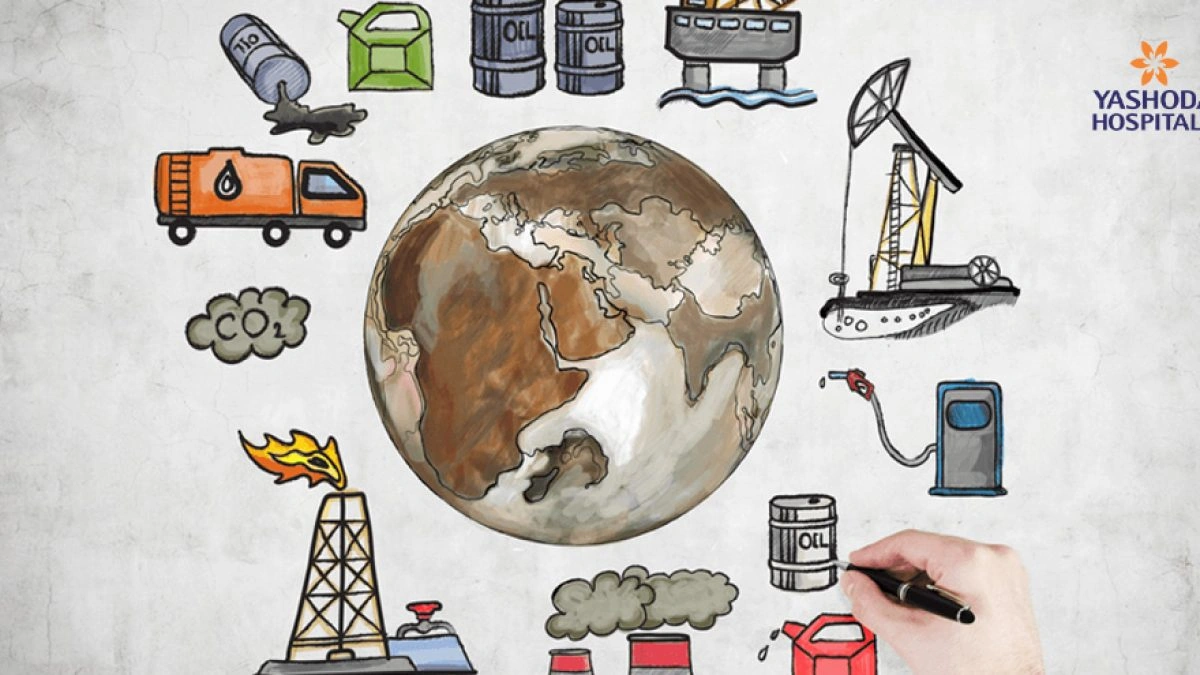
Let’s be honest, Delhi’s air quality issues are no secret. We’ve all seen the headlines, the reports, the grim statistics. Delhi’s air pollution is a complex problem, a toxic cocktail of vehicular emissions, industrial waste, construction dust, and agricultural burning. Add to that the seasonal factors, like temperature inversions that trap pollutants closer to the ground, and you have a recipe for disaster. The consequences are dire: respiratory illnesses, cardiovascular problems, and a reduced quality of life for millions. According to the Central Pollution Control Board (CPCB), particulate matter (PM2.5) levels often soar to dangerous levels, far exceeding the World Health Organization (WHO) guidelines. But it’s not just about numbers; it’s about real people, about children gasping for breath, about the elderly confined to their homes. And about the athletes whose performance, and even their ability to compete, is directly affected. The situation demands urgent action, not just empty promises.
Cricket, Pollution, and the Lost Knockouts: A Case Study
The cancellation of the U-23 knockouts isn’t just a minor inconvenience; it’s a symptom of a much larger disease. It highlights the insidious way environmental pollution creeps into every aspect of our lives, even the games we love. Think about it: young athletes, at the peak of their physical prowess, being denied the chance to compete because the air is too toxic to breathe. It’s an appalling image. What fascinates me is the long-term impact on these players. Will this experience make them more environmentally conscious? Will it spur them to become advocates for change? Or will it simply be another frustrating hurdle in their careers?
The Economic Cost of Dirty Air
Pollution doesn’t just impact our health; it also hits our wallets. The economic cost of air pollution in India is staggering, estimated to be billions of dollars annually. This includes healthcare costs, lost productivity, and damage to infrastructure. But, let’s not forget the indirect costs. The impact on tourism, for example. Who wants to visit a city shrouded in smog? The impact on foreign investment. Businesses are hesitant to set up shop in areas where their employees’ health is at risk. And, of course, the impact on sports. Events get cancelled, sponsorships are lost, and the overall appeal of the game diminishes. According to a study by the World Bank, India could save billions of dollars each year by implementing effective pollution control measures .
What Can Be Done? A Roadmap for Change
The good news is that the problem isn’t insurmountable. We have the technology, the knowledge, and, hopefully, the will to make a difference. The key lies in a multi-pronged approach: stricter emission standards for vehicles, promoting public transportation, investing in renewable energy, regulating industrial emissions, and cracking down on agricultural burning. But, it’s not just about government action; it’s about individual responsibility. We can all do our part by driving less, using public transport, conserving energy, and supporting businesses that are committed to sustainability. A common mistake I see people make is thinking that their individual actions don’t matter. They do. Every little bit helps. And, crucially, we need to hold our leaders accountable. Demand action, demand transparency, and demand a cleaner, healthier future for ourselves and our children. As per the guidelines mentioned in the information bulletin of the Ministry of Environment, Forest and Climate Change, a national clean air program has been launched, targeting a 20-30% reduction in particulate matter concentrations by 2024.
Moving Forward | A Breath of Fresh Air?
The Delhi U-23 knockouts debacle is a wake-up call. It’s a reminder that environmental pollution is not just an abstract issue; it’s a real and present danger that affects us all. We need to move beyond empty rhetoric and implement concrete measures to clean up our air and protect our health. The future of our cities, our economy, and our sports depends on it. What fascinates me is the potential for innovation in this space. Can we develop new technologies to combat pollution ? Can we create new business models that are both profitable and sustainable? Can we inspire a new generation of environmental leaders? The answers to these questions will determine the fate of our planet. Let’s be honest; the challenge is daunting. But the alternative – a future choked by smog and disease – is simply unacceptable. It’s time for action.
FAQ Section
What are the main sources of pollution in Delhi?
The major sources include vehicular emissions, industrial waste, construction activities, and agricultural burning, especially during certain seasons.
How does pollution affect sports?
Pollution can impair athletes’ performance, increase the risk of respiratory illnesses, and even lead to the cancellation of sporting events, as seen with the Delhi U-23 knockouts.
What can I do to reduce air pollution in my daily life?
You can contribute by using public transport, carpooling, conserving energy, and supporting eco-friendly initiatives. Small changes can make a big difference.
Are there any government initiatives to combat pollution in Delhi?
Yes, the government has launched several initiatives, including stricter emission standards, promoting renewable energy, and regulating industrial emissions.

I’m Vishal Ojha, a passionate blogger, content writer, and web designer with over four years of experience. I have a deep love for sports, especially cricket, and enjoy sharing the latest updates, insights, and analyses from the world of athletics. Every article I publish is carefully researched and fact-checked, ensuring readers get accurate and engaging sports content they can trust.

