
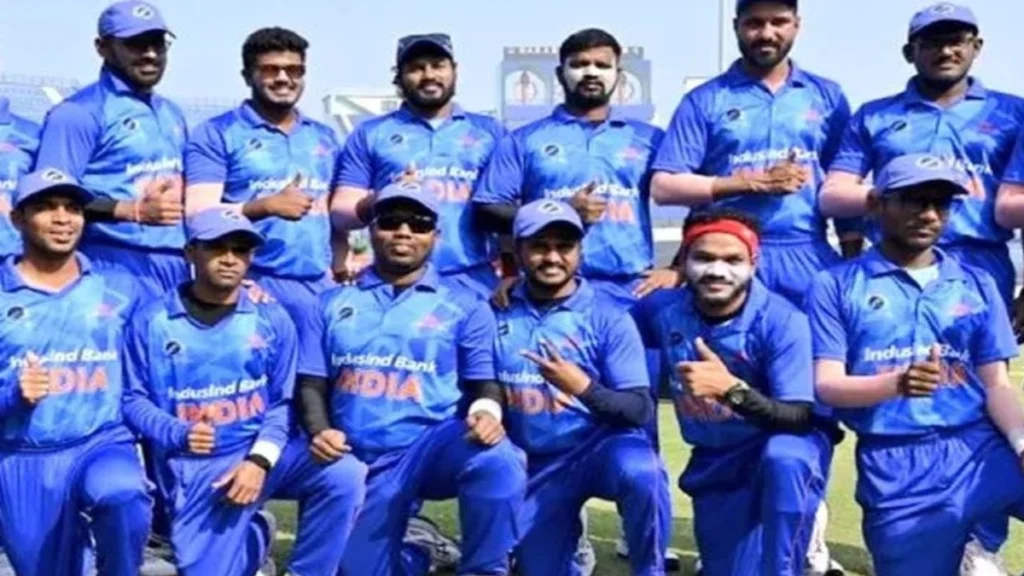
The roar was deafening, even if some couldn’t see it. The Indian women’s blind cricket team achieved the unthinkable: they clinched their first-ever T20 Blind Cricket World Cup . It’s not just a win; it’s a seismic shift, a statement, and a story that needs to be told, not just reported. I was following the score updates, and honestly, I initially thought, “Okay, great, another win.” But then I dug deeper, and the magnitude of what these women accomplished hit me like a six over mid-wicket. This isn’t just about cricket; it’s about resilience, breaking barriers, and redefining what’s possible. India’s Bowlers also performed incredibly well throughout the series.
Why This Victory Is More Than Just a Game
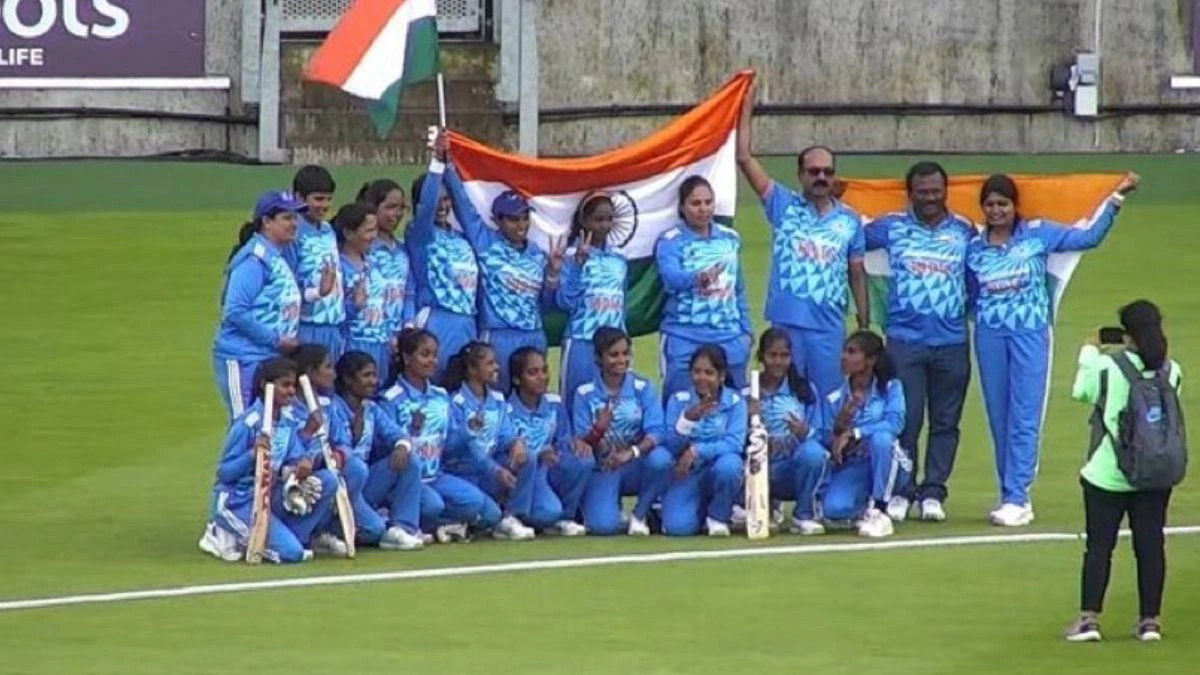
Let’s be honest: blind cricket doesn’t exactly dominate the sports headlines, does it? But that’s precisely why this win is so crucial. It throws a spotlight on a sport that demands incredible skill, strategy, and teamwork, all while navigating the challenges of visual impairment. What fascinates me is the level of adaptation involved. These athletes aren’t just playing cricket; they’re playing a different dimension of the game. They rely on sound, coordination, and an almost telepathic understanding with their teammates. It’s a testament to the human spirit’s ability to overcome adversity and excel.
Moreover, this victory resonates far beyond the cricket field. In a country like India, where disability is often stigmatized, these women are shattering stereotypes and inspiring countless others to pursue their dreams, regardless of their limitations. It’s about showing that disability doesn’t define destiny. It’s a message of empowerment, a call for inclusivity, and a reminder that true strength lies in overcoming challenges. The Cricket Association for the Blind in India (CABI) has played a pivotal role in nurturing this talent. According to CABI, this win marks a new era for blind cricket in the country.
The ‘How’ | Understanding Blind Cricket
Okay, so how does blind cricket actually work? It’s not just a regular cricket match played in the dark (obviously!). The game is adapted with specific rules and equipment to accommodate the players’ varying degrees of visual impairment. The ball, for instance, is filled with ball bearings to create a rattling sound, allowing players to track its movement. The players are classified into three categories – B1 (totally blind), B2 (partially sighted), and B3 (partially sighted) – and each team must have a certain number of players from each category to ensure fair play. This balanced team composition is crucial for success in the T20 format .
Batting, bowling, and fielding techniques are all modified to suit the players’ needs. For example, bowlers deliver the ball underarm, and the batter relies on the sound of the ball to time their shots. Fielders use auditory cues to locate the ball and make catches. It’s a game of precision, anticipation, and incredible focus. I initially thought it would be chaotic, but it’s a surprisingly elegant and strategic sport.
The Emotional Core | Stories of Grit and Determination
Behind every boundary and every wicket, there are stories of immense struggle and unwavering determination. These women have faced societal prejudice, lack of resources, and personal hardships, yet they’ve persevered to reach the pinnacle of their sport. What fascinates me is their stories of overcoming obstacles and inspiring others with their success. Imagine the sheer dedication it takes to master the nuances of blind cricket , to train for hours every day, to travel across the country, and to compete on the world stage, all while battling societal biases. It’s an extraordinary feat of human resilience. The New Zealand win in the past has also been inspiring to watch.
Their victory is a beacon of hope, a testament to the power of sport to transcend limitations and to unite people from all walks of life. It’s a reminder that true strength lies not in physical ability, but in the indomitable spirit that resides within each of us. What’s happening now is more conversation around accessible sports .
What’s Next for Blind Cricket in India?
So, the World Cup trophy is in India. What happens now? This victory needs to be a catalyst for change, a springboard for greater investment and support for blind cricket at all levels. We need to see more funding for training programs, better infrastructure for visually impaired athletes, and increased awareness of the sport among the general public. Moreover, we need to create pathways for young, visually impaired individuals to participate in cricket and other sports, fostering a culture of inclusivity and opportunity. The government and private organizations have a crucial role to play in making this happen.
But, it’s not just about money. It’s about changing attitudes, challenging stereotypes, and recognizing the immense talent and potential that exists within the visually impaired community. It’s about creating a society where everyone has the chance to shine, regardless of their abilities or disabilities. And that, my friends, is a victory worth celebrating.
FAQ
What are the different player categories in blind cricket?
Players are classified into B1 (totally blind), B2 (partially sighted), and B3 (partially sighted), ensuring a balanced team composition.
How is the ball different in blind cricket?
The ball contains ball bearings to create a rattling sound, helping players track its movement.
Where can I find more information about the Cricket Association for the Blind in India (CABI)?
You can visit their official website for details on programs and initiatives.
What can I do to support blind cricket in India?
You can donate to CABI, volunteer your time, or simply spread awareness about the sport.
How do blind cricketers train?
Training involves specialized coaching techniques adapted to visual impairments, focusing on auditory cues and coordination.

I’m Vishal Ojha, a passionate blogger, content writer, and web designer with over four years of experience. I have a deep love for sports, especially cricket, and enjoy sharing the latest updates, insights, and analyses from the world of athletics. Every article I publish is carefully researched and fact-checked, ensuring readers get accurate and engaging sports content they can trust.

