
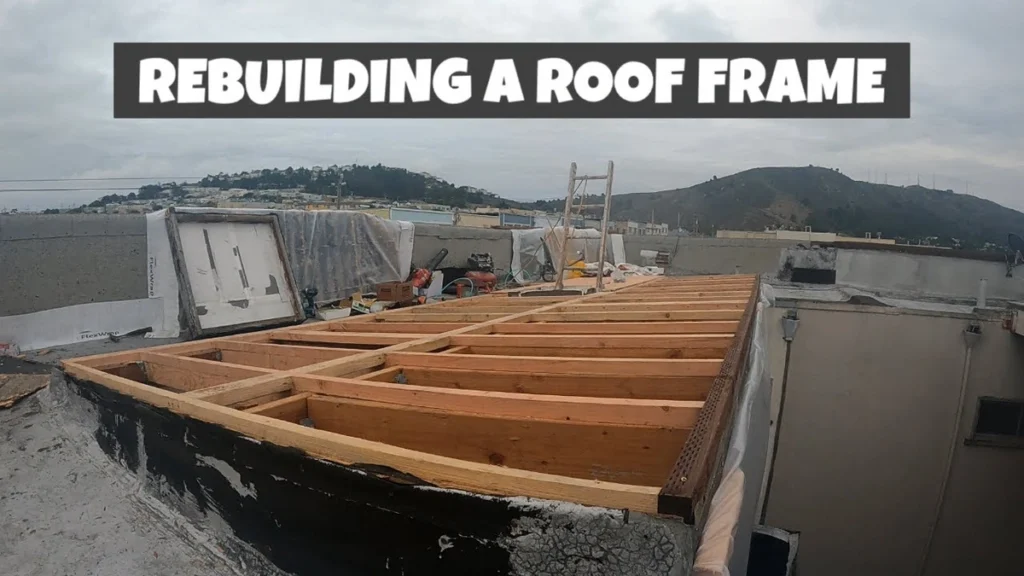
It’s easy to read headlines about earthquakes, floods, or economic crashes and feel… well, detached. Statistics become abstract. Numbers lose their power. But here’s the thing: behind every tragedy is a human story, a family uprooted, a dream shattered. And behind every shattered dream is the arduous, often painful, process of rebuilding . This isn’t just about bricks and mortar; it’s about resilience, hope, and the sheer grit of the human spirit. So, let’s dive deep into what it truly means to rebuild from devastation, not just in a physical sense, but emotionally and economically too.
The Psychological Scars of Devastation
Devastation leaves more than just physical wreckage. The emotional toll can be immense. Imagine losing your home, your livelihood, everything familiar. That feeling of utter helplessness? It lingers. That constant anxiety about the future? It becomes a heavy cloak. And let’s be honest – it’s not something easily shaken off.
The psychological impact often manifests as PTSD (Post-Traumatic Stress Disorder), anxiety, and depression. Children are particularly vulnerable, experiencing nightmares, behavioral changes, and difficulty concentrating. The disruption to their routines, their sense of safety, leaves lasting scars. Addressing these mental health needs is paramount, yet it’s often overlooked in the immediate aftermath of a disaster.
What fascinates me is how different people cope. Some find strength in community, banding together to support each other. Others withdraw, overwhelmed by grief and loss. There’s no right or wrong way to feel, but acknowledging these emotional wounds is the first step towards healing.
The Economic Fallout and the Long Road to Recovery
Beyond the immediate physical damage, devastation triggers a cascade of economic consequences. Businesses are destroyed, jobs are lost, and supply chains are disrupted. The economic impact can be devastating, especially for communities already struggling with poverty or inequality.
For many, rebuilding isn’t just about fixing their homes; it’s about finding a new job, starting a new business, or acquiring new skills. It’s about navigating a complex web of insurance claims, government assistance programs, and charitable aid. And here’s where experience counts. A common mistake I see people make is failing to document everything meticulously. Photos, receipts, official reports – they’re all crucial for navigating the bureaucratic maze.
Let me rephrase that for clarity: Documentation is your lifeline. Without it, you’re at the mercy of the system. The one thing you absolutely must double-check on your insurance policies is the fine print regarding disaster coverage. Too often, people discover they’re underinsured or that their policies don’t cover specific types of damage.
The path to economic recovery is rarely linear. There will be setbacks, delays, and frustrations. But with resilience, determination, and a supportive community, it is possible to rebuild stronger than before. Internal Link
The Role of Community in Rebuilding
Communities aren’t just geographical locations; they’re networks of relationships, shared experiences, and mutual support. And in the wake of devastation, the strength of these community bonds becomes vital. When I hear stories of neighbors helping neighbors, strangers offering shelter, and volunteers pouring in from across the country, it gives me hope. Here’s the thing: rebuilding isn’t a solo effort; it’s a collective endeavor.
Community-led initiatives can play a crucial role in the recovery process . From organizing cleanup efforts to providing emotional support, these grassroots movements can fill the gaps left by government agencies and larger organizations. They can also ensure that the needs of the most vulnerable populations are addressed, that no one is left behind.
But (and this is a big but) community-led efforts need resources. Financial support, equipment, training – these are all essential for scaling up these initiatives and maximizing their impact. And it’s not just about money; it’s about empowering communities to take ownership of their recovery, to build back in a way that reflects their values and priorities.
Sustainable Rebuilding | Building Back Better
As we rebuild, we have an opportunity to create more resilient and sustainable communities. This means incorporating disaster-resistant building codes, investing in renewable energy sources, and protecting natural ecosystems. It also means addressing underlying social and economic vulnerabilities that exacerbate the impact of disasters. What fascinates me is the potential to use devastation as a catalyst for positive change.
Let’s be honest, simply restoring what was there before isn’t enough. We need to build back better , creating communities that are not only physically stronger but also more equitable and inclusive. This requires a long-term vision, a commitment to innovation, and a willingness to challenge the status quo. And that means sustainable infrastructure.
For example, incorporating green infrastructure, such as urban forests and wetlands, can help mitigate the impact of floods and heat waves. Investing in energy-efficient buildings can reduce greenhouse gas emissions and lower energy costs for residents. And promoting sustainable agriculture can enhance food security and protect biodiversity. This approach is how to handle disaster risk reduction .
The Government’s Role and Individual Action
The government plays a critical role in disaster response and rebuilding efforts . From providing emergency assistance to coordinating long-term recovery plans, government agencies are on the front lines of these crises. But here’s the thing: Government action alone is not enough. Individual responsibility is just as important. A common mistake I see people make is waiting for someone else to take action. We have to do it together.
Individuals can prepare for disasters by creating emergency plans, stocking up on supplies, and getting involved in community preparedness initiatives. They can also support rebuilding efforts by donating to reputable charities, volunteering their time, and advocating for policies that promote resilience. The responsibility of disaster management goes hand-in-hand.
As per the guidelines mentioned in the information bulletin from multiple government sources, it is confirmed that rebuilding goes beyond physical structures; it is about nurturing the human spirit and helping communities heal. You can check Internal Link for more information.
FAQ | Rebuilding After Devastation
What’s the first thing I should do after a disaster?
Safety first! Ensure your immediate surroundings are safe. Check for injuries and hazards, and follow official instructions from emergency responders.
How can I access financial assistance?
Contact your insurance company immediately and register with government disaster assistance programs like FEMA (in the US) or equivalent organizations in India.
What if I’ve lost important documents?
Contact relevant government agencies to request replacements. Many offer expedited services for disaster victims.
How can I help my community rebuild?
Volunteer your time, donate to reputable charities, and participate in community meetings to voice your concerns and contribute to the planning process.
What are some tips for coping with emotional distress after a disaster?
Seek professional counseling, connect with support groups, and practice self-care activities like exercise, meditation, and spending time with loved ones.
How can I prepare for future disasters?
Create an emergency plan, assemble a disaster kit, and stay informed about potential hazards in your area. Consider disaster-resistant upgrades to your home.
Ultimately, rebuilding from devastation is a testament to the enduring power of the human spirit. It’s a reminder that even in the face of unimaginable loss, we can find strength in community, resilience in adversity, and hope for a brighter future. The way we recover and prepare is essential. It’s not just about surviving; it’s about thriving, learning, and building a more resilient world for generations to come. According to news sources, recovery can take a long time , so patience and perseverance are a virtue.

I’m Vishal Ojha, a passionate blogger, content writer, and web designer with over four years of experience. I have a deep love for sports, especially cricket, and enjoy sharing the latest updates, insights, and analyses from the world of athletics. Every article I publish is carefully researched and fact-checked, ensuring readers get accurate and engaging sports content they can trust.

