
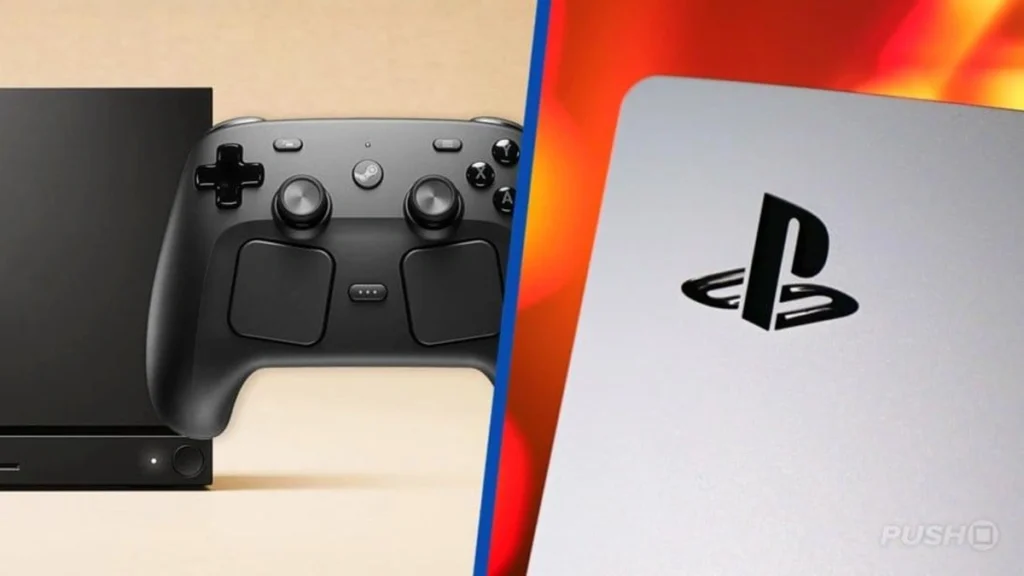
Remember the Steam Machine? Ah, nostalgia. It was Valve’s grand vision for a new kind of gaming PC, one designed to take on consoles in the living room. But, let’s be honest, it didn’t exactly set the world on fire. In fact, you might be forgiven for forgetting it ever existed. But its failure is fascinating.
Here’s the thing: the Steam Machine wasn’t just a product; it was an idea. An attempt to shake up the established order. And while it didn’t succeed, the reasons why it failed are incredibly insightful for anyone interested in the gaming industry, PC hardware, or even just disruptive innovation in general. So, grab your chai, and let’s dive in. I initially thought this was a straightforward story of a product flop, but then I realized there were deeper, more nuanced reasons at play.
The Dream of PC Gaming in the Living Room
Valve, the company behind Steam (you know, that little platform that basically is PC gaming), saw a gap. Consoles were easy, plug-and-play, and living-room friendly. PCs were powerful and flexible, but often clunky and intimidating. The Steam Machine was meant to bridge that gap. They wanted to bring the full power and versatility of PC gaming to your TV, with a console-like experience. Sounds good, right? Wikipedia gives a good general overview.
The idea was simple: partner with different manufacturers to create pre-built PCs running SteamOS (a Linux-based operating system designed specifically for gaming) that could connect to your TV. Add a custom controller, and boom! You’ve got a console-like experience with access to the vast Steam library. What fascinated me is how ambitious this was – they weren’t just building hardware; they were trying to create an entirely new ecosystem. It aimed to let users enjoy PC games on TV without technical issues.
What Went Wrong? A Perfect Storm of Issues
So, where did it all go wrong? Well, it wasn’t one single thing, but rather a combination of factors that doomed the Steam Machine to its short life. Let’s be frank; the failure was a combination of software and hardware issues.
First, there was the fragmentation of hardware. Valve didn’t build a single, unified Steam Machine. Instead, they allowed multiple manufacturers to create their own versions, leading to a wide range of specs, prices, and designs. This created confusion for consumers. Which one should they buy? What were the key differences? It was a mess. A common mistake I see people make is assuming more choice is always better, but in this case, it led to paralysis.
But the software was probably the biggest hurdle. SteamOS, while promising, lacked the game support of Windows. Many popular games simply weren’t available on Linux, and developers weren’t exactly rushing to port their titles. This created a chicken-and-egg problem: gamers didn’t want to buy a Steam Machine without their favorite games, and developers didn’t want to port games to a platform with a small user base. According to the Steam Hardware & Software Survey, Linux still has a tiny market share.
And then there was the price. Many Steam Machines were priced higher than comparable consoles, without offering a significantly better experience. Why would someone pay more for a device with fewer games and a less polished interface? Let me rephrase that for clarity: the value proposition just wasn’t there.
The Rise of the Handheld: Steam Deck and its Influence
Fast forward to today, and Valve has taken another shot at handheld gaming with the Steam Deck. And guess what? It’s a massive success. What changed? For one, Valve learned from the mistakes of the Steam Machine. The Steam Deck offers a more focused and streamlined experience. The one thing you absolutely must double-check when launching a new product is a strong value proposition.
The Steam Deck runs a modified version of SteamOS that’s much more mature and user-friendly than the original version. It also boasts better compatibility with Windows games through Proton, a compatibility layer that allows many Windows games to run on Linux with minimal performance loss. This means the Steam Deck has access to a vast library of games right out of the box. Let’s be honest, the ability to play AAA titles on a handheld device is a game-changer.
But more importantly, the Steam Deck carved out a niche for itself. It’s not trying to replace consoles in the living room; it’s a portable gaming device that allows you to play your PC games on the go. This clear focus and value proposition have been key to its success. One can buy games from the Steam library.
The Future of PC Gaming: Lessons Learned and New Horizons
So, what’s the takeaway from the Steam Machine saga? It’s a reminder that innovation is hard, and even the best ideas can fail if they’re not executed properly. But failures can also be valuable learning experiences. The Steam Machine paved the way for the Steam Deck. You can also check Steam Machine: PS Competitor.
The dream of bringing PC gaming to the living room isn’t dead, but it’s evolving. With the rise of cloud gaming services and the increasing power of mobile devices, the lines between PC and console gaming are blurring. The future of gaming is likely to be more diverse and fragmented than ever before, with gamers having more options for how and where they play their favorite games.
What fascinates me is how Valve continues to experiment and push the boundaries of gaming. They’re not afraid to fail, and they’re always learning and adapting. And that, in the end, is what makes them such an important and influential company in the gaming industry. The initial Linux compatibility issues are less significant nowadays.
FAQ About the Steam Machine and PC Gaming
What exactly was the Steam Machine?
It was Valve’s attempt to bring PC gaming to the living room, offering console-like experience with the power of a PC.
Why did the Steam Machine fail?
Combination of hardware fragmentation, limited game support, and high price point.
Is the Steam Deck a successor to the Steam Machine?
Not directly, but it represents a refined approach to portable PC gaming.
Are Steam Machines still available for purchase?
Not really, but you might find some used ones online. Focus is now on the Steam Deck.
What is SteamOS?
A Linux-based operating system designed for gaming, used in both Steam Machines and Steam Deck.
Did the Steam Machine have any lasting impact on gaming?
Yes, it pushed innovation, leading to the success of Steam Deck and influencing the industry.

I’m Vishal Ojha, a passionate blogger, content writer, and web designer with over four years of experience. I have a deep love for sports, especially cricket, and enjoy sharing the latest updates, insights, and analyses from the world of athletics. Every article I publish is carefully researched and fact-checked, ensuring readers get accurate and engaging sports content they can trust.

